
How to Choose Public Health Insecticides? A Comprehensive Procurement Guide: From Formulations and Qualifications to Efficacy | Anyang Five-Star Agrochemical Plant

How to Choose Public Health Insecticides? A Comprehensive Procurement Guide: From Formulations and Qualifications to Efficacy | Anyang Five-Star Agrochemical Plant

In settings such as retail stores, property management (pest control), industrial facilities, and residential or public spaces, procurement managers often face a common challenge: the market is flooded with a dizzying array of public health insecticides. With various products operating through different mechanisms, buyers frequently worry about inadequate efficacy, short-lived effects, a lack of proper regulatory compliance, or even potential safety risks. Selecting the right insecticide requires looking beyond just the price; one must evaluate the manufacturer’s credentials, active ingredients, intended use cases, toxicity levels, and the availability of professional technical guidance for application. As a state-designated pesticide manufacturer with over 30 years of deep experience in the agrochemical industry—an enterprise built and led by Liu Jianzhong—Anyang Five-Star Pesticide Factory integrates R&D, production, sales, and technical support. Drawing on decades of practical manufacturing and operational expertise, we have outlined the key factors for selecting public health insecticides to help procurement professionals avoid common pitfalls and make precise, informed choices.

I. First, clarify: What constitutes a compliant household insecticide, and what are the core regulatory requirements?

Many procurement clients often confuse agricultural insecticides with public health (household/hygiene) insecticides. These two categories differ entirely in terms of their intended scope of application, registration standards, and regulatory frameworks. Public health insecticides are specifically designed to target pests found in human living environments—such as mosquitoes, flies, cockroaches, fleas, and ants—and fall under the regulatory purview of pesticides. Consequently, they **must possess a complete set of three mandatory credentials: a Pesticide Registration Certificate, a Production License, and a Product Standard Certificate.** Verifying these documents is the essential first step in the procurement process—a critical point where many buyers frequently encounter pitfalls.

Low-cost, non-compliant products on the market often feature misstated active ingredient concentrations, substandard solvents, or a complete lack of official registration. While they may appear to kill pests quickly in the short term, they pose significant risks: they can irritate the human respiratory tract and contaminate indoor environments, while also causing pests to rapidly develop resistance—ultimately leading to higher long-term costs due to the need for repeated treatments.

Anyang Wuxing Pesticide Factory is a state-designated pesticide manufacturer. All of our public health insecticides are registered and filed in strict accordance with national pesticide management regulations. We maintain rigorous oversight throughout the entire production process—from the arrival of raw materials and formulation adjustments to finished-product testing and pre-shipment quality checks. Every batch is accompanied by a comprehensive test report, ensuring that clients can procure our products with full confidence, free from concerns regarding regulatory non-compliance or safety risks.
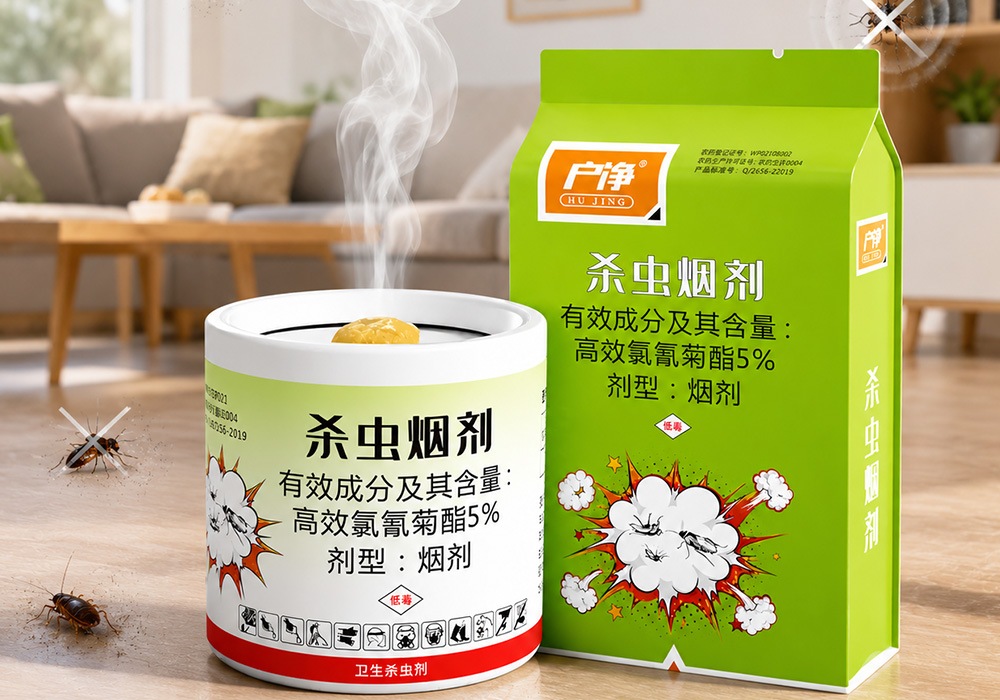
II. Analysis of the Primary Mechanisms of Action for Public Health Insecticides: Understand Before You Select

Public health insecticides can be categorized based on their mode of action. Carbamate insecticides represent a classic category in the industry and are a staple procurement item for many professional pest control companies and large-scale property management firms. We will examine them in detail:

1. Carbamate Insecticides
Carbamate insecticides target the enzyme acetylcholinesterase in pests, disrupting their nerve transmission. They offer rapid knockdown and produce clear, observable signs of poisoning. They are highly effective against specific target pests, such as cockroaches, flies, and mosquitoes. Compared to certain pyrethroid insecticides, carbamates serve as an excellent rotational option for managing pest populations that have developed resistance to pyrethroids.
A common concern among procurement clients is whether carbamates are inherently unsafe. It is important to clarify this misconception: the risk posed by an insecticide depends on the concentration of its active ingredient, its formulation, and how it is applied. By employing scientific blending, optimizing formulations (such as using eco-friendly suspensions or emulsions), strictly controlling active ingredient concentrations, and adhering to specified usage scenarios, professional manufacturers can ensure high insecticidal efficacy while keeping environmental risks within the limits set by national standards. These products are particularly well-suited for areas prone to resistant pest populations—such as factory workshops, waste transfer stations, and sewer systems—and serve as an effective rotational tool to delay the development of widespread pest resistance.
It is also crucial to note the limitations: carbamate-based public health insecticides should not be used exclusively or continuously over long periods. They must be rotated with products that utilize different modes of action—a core component of the integrated pest management (IPM) strategies our technical service team provides to our clients.

2. Brief Overview of Other Common Public Health Insecticides
Pyrethroids: Characterized by rapid knockdown and low odor; typically used for routine pest control in indoor settings, such as homes and hotel guest rooms. Organophosphates: Highly potent, but subject to strict regulatory controls, which limits their range of application.
The Key Logic for Selection: There is no “universal” insecticide. The choice of product should be determined by a combination of factors: the status of pest resistance, the type of environment, the personnel performing the application, and the specific target pest species.

III. Selection Strategies for Household Insecticides Across Different Settings: Tailored Choices, Not Blind Selections

1. Indoor Disinfection and Pest Control for Commercial Properties, Hotels/Homestays, and Office Buildings
Prioritize formulations that are low-irritation, low-odor, and provide stable knockdown effects. Use registered pyrethroids as the primary choice. In cases of long-term, ongoing pest control where cockroaches have developed significant resistance, incorporate low-dose carbamates into a rotation strategy to reduce selection pressure for resistance.

2. Industrial Parks, Warehouses, Waste Collection Sites, and Farmers’ Markets
Given the high pest density, complex environments, and elevated resistance levels, use carbamate insecticides for targeted residual spraying. Focus treatment on breeding grounds such as drains, debris piles, and crevices along walls.

3. Mosquito and Pest Control in Outdoor Residential Green Spaces and Sewer Drains
Select residual formulations that are resistant to rainfall to ensure long-lasting efficacy. Take precautions to prevent chemical drift, which could negatively impact surrounding vegetation or aquatic life.

Important Reminder: Public health insecticides are not intended for indiscriminate application on agricultural crops. They must be strictly distinguished from agricultural fungicides and pesticides. Do not use these products in settings outside of their registered scope, as this may lead to phytotoxicity or safety incidents.
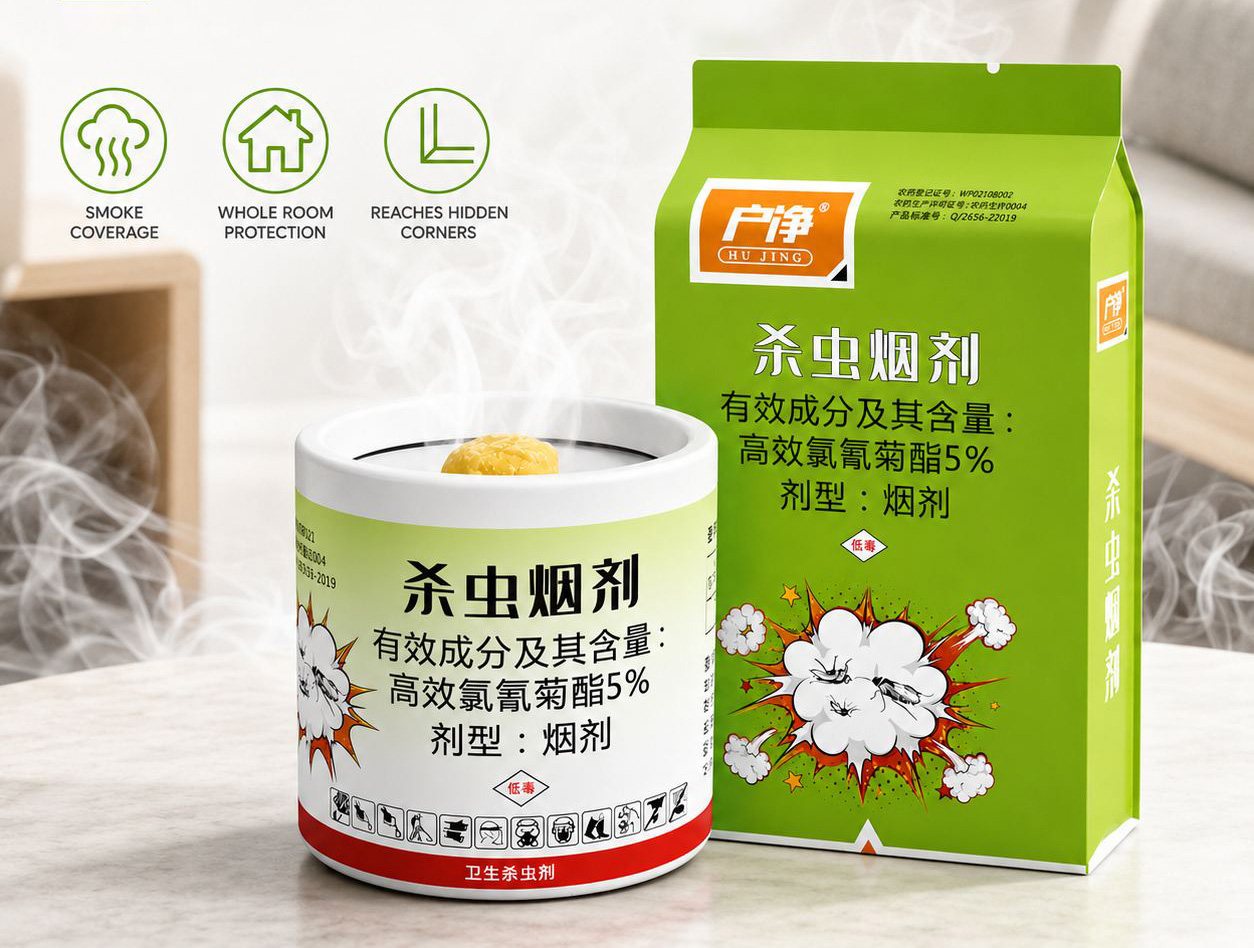
IV. When purchasing household insecticides, keep these 5 essential tips in mind to avoid pitfalls and minimize potential losses later on.

1. Verify Qualifications: Ensure the manufacturer is a state-designated pesticide producer. Check the pesticide registration certificate to confirm that the registered scope includes “public health insecticides”—products registered solely for agricultural use are not suitable for pest control in residential or occupied spaces.
2. Look Beyond Price: Low-priced products often contain insufficient active ingredients, requiring more frequent applications and ultimately resulting in higher total costs. Furthermore, inferior additives can produce pungent odors, damage interior finishes, and cause skin irritation.
3. Consider the Formulation: Water-based formulations—such as emulsions-in-water (EW) and suspension concentrates (SC)—contain fewer organic solvents than emulsifiable concentrates (EC), making them safer for operators. Water-based formulations should be the preferred choice for indoor environments.
4. Inquire About Support Services: Reputable manufacturers offer more than just products; they provide guidance on dilution ratios, application methods, resistance management, and safety protocols. Without proper guidance, pest control teams may fail to rotate products scientifically, leading to increased pest resistance and greater difficulty in control over time.
5. Retain Batch-Specific Quality Inspection Records: Legitimate manufacturers can provide quality inspection reports for each shipment, allowing for traceability and investigation should any questions regarding product efficacy arise.

V. Advantages of the Five-Star Pesticide Plant: Beyond mere supply—continuous technical support for agricultural practices

With over 30 years of deep experience in the agrochemical industry, Anyang Wuxing Pesticide Factory specializes in the R&D and production of public health insecticides. We maintain an in-house technical service team that provides free professional consultation to pest control companies, property management firms, and large-scale facility operators. Based on on-site pest monitoring data, we develop customized rotation-based treatment plans—offering guidance on product dilution, application placement, and treatment intervals—to scientifically manage pest resistance.

Many clients face common procurement challenges: uncertainty regarding the most effective application methods, or a lack of technical support when issues arise. We have integrated the entire value chain—from R&D, production, and sales to technical support—to provide comprehensive, end-to-end assistance. This includes initial product selection and sample testing, as well as ongoing pest resistance monitoring and strategy adjustments.

When procuring public health insecticides, regulatory compliance is the baseline, while scientific product selection and rotation-based application are the keys to long-term pest control. Relying on indiscriminate purchasing often leads to a vicious cycle: quick knockdown followed by even faster pest resurgence. Leveraging over three decades of expertise in pesticide R&D and manufacturing, Anyang Wuxing Pesticide Factory ensures strict quality control. We provide reliable, compliant public health insecticides to pest control service providers, corporate campuses, and property management entities, backed by professional technical solutions. If you require on-site pest assessment, product selection, or a tailored rotation-based treatment plan, please feel free to contact us.