Technical Overview of Chlorothalonil: A Guide to Selecting Agricultural Fungicides, Usage Precautions, and Resistance Management | Anyang Wuxing Agrochemical Factory

Technical Overview of Chlorothalonil: A Guide to Selecting Agricultural Fungicides, Usage Precautions, and Resistance Management | Anyang Wuxing Agrochemical Factory

For those responsible for procurement at fruit and vegetable production bases, large-scale farms, nurseries, and agricultural cooperatives, fungal diseases represent a persistent threat that leads to reduced yields and diminished produce quality. Diseases such as downy mildew, powdery mildew, anthracnose, early blight, and various leaf spots frequently occur in succession. When selecting fungicides, decision-makers often face several key concerns: inconsistent efficacy, the development of pathogen resistance, phytotoxicity resulting from improper tank-mixing, the risk of purchasing substandard products (with insufficient active ingredient content), and uncertainty regarding the required pre-harvest interval (PHI). Chlorothalonil—a broad-spectrum, protective fungicide—has been a staple in many agricultural operations for years. However, many users lack a thorough understanding of its mechanism of action, its scope of application, and how it should be combined with other products, which often significantly compromises its effectiveness. Anyang Wuxing Pesticide Factory—a state-designated pesticide manufacturer with over 30 years of experience in the R&D and production of agrochemicals—was founded by Liu Jianzhong. The company integrates R&D, production, sales, and technical agricultural services. In this guide, we provide an in-depth technical overview of chlorothalonil, addressing common concerns related to its procurement and application to help growers make informed choices and implement scientific management strategies for disease control.

I. Mechanism of action of chlorothalonil: A protective fungicide—what are its key advantages?

First, a key clarification: Chlorothalonil is a **non-systemic, broad-spectrum, protective fungicide**. This is its defining characteristic—and also the root cause of common misapplications by many users.
It is not absorbed or translocated by plant leaves or roots. Instead, it forms a protective film across the plant surface, which inhibits the metabolism of fungal cells and disrupts fungal respiration. By acting during the spore germination stage, it effectively blocks pathogens from invading plant tissues.

✅ Key Advantages:
1. Broad-spectrum efficacy: It is effective against a wide range of fungi, including Oomycetes, Ascomycetes, and Deuteromycetes. It can be used on vegetables, fruit trees, flowers, nursery stock, and various cash crops to control common diseases such as downy mildew, anthracnose, early blight, leaf spot, and rust.

2. Low risk of resistance development: Because it targets multiple sites within the pathogen, it is difficult for fungi to develop high levels of resistance quickly. This makes it an ideal foundational product for long-term disease prevention strategies.

3. High stability: It is resistant to being washed off by rain, providing a consistent duration of protection. This makes it well-suited for proactive application during rainy, high-humidity seasons when disease pressure is typically high.

❌ Key Limitations (Important to note before purchasing):
It has no curative (therapeutic) effect! If a crop is already suffering from a widespread infection—meaning the pathogen has already penetrated the plant tissue—using Chlorothalonil alone will not be effective in rapidly suppressing the disease. In such cases, it must be combined with a curative fungicide. Many farmers make the mistake of applying Chlorothalonil only after an outbreak has already occurred; they then conclude that the product is “ineffective,” when in reality, the issue lies in the timing of the application.
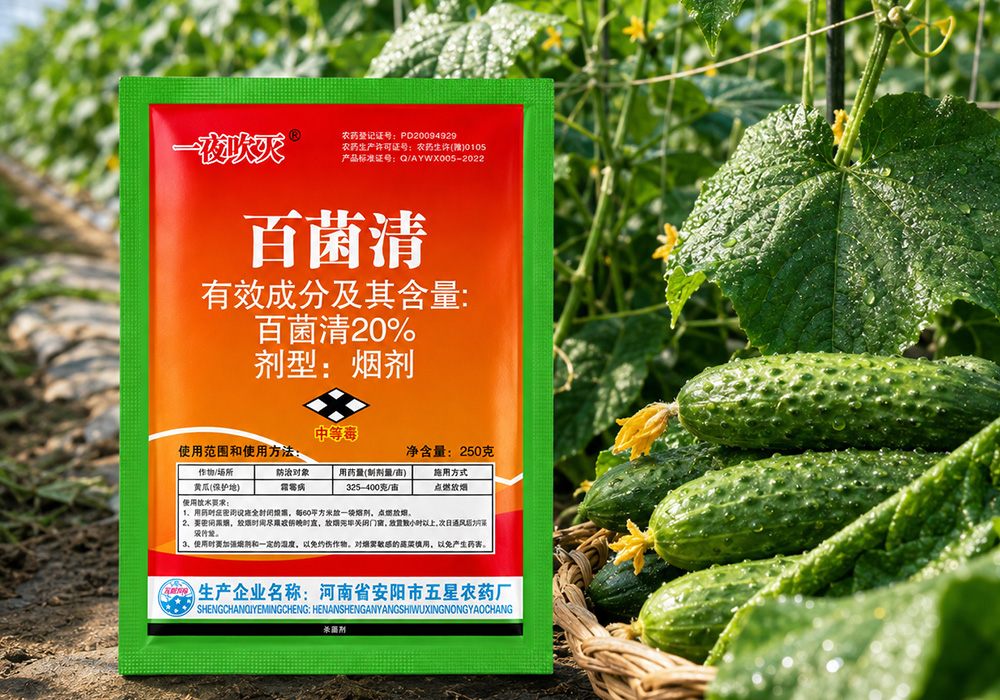
II. Key Considerations for Selecting and Purchasing Chlorothalonil: How to Evaluate Formulations, Concentration, and Registered Crops

Common formulations of chlorothalonil available on the market include wettable powders (WP), suspension concentrates (SC), and water-dispersible granules (WG). Each formulation is suited to different scenarios, making the choice of product critical:

1. Wettable Powders (WP): These offer high cost-effectiveness. A key performance indicator is the “suspension rate”—low-quality powders tend to settle, clog spray nozzles, and disperse poorly, leading to uneven coverage on leaves and leaving unprotected gaps. When purchasing, prioritize products with high suspension rates and short wetting times.
2. Suspension Concentrates (SC): As water-based formulations, these produce minimal dust and offer excellent dispersibility. They are safer for crops, less likely to cause chemical spotting on fruit or leaf surfaces, and are ideal for use on melons, fruits, and high-value produce.
3. Water-Dispersible Granules (WG): These dissolve rapidly, are easy to measure, and do not clump during storage. They are well-suited for mechanized application in large-scale agricultural operations.

Tips for Avoiding Common Pitfalls:

1. Verify the pesticide registration certificate. Ensure the product is registered for the specific crop and target pest; do not use it on crops for which it is not registered, as tolerance levels vary by plant species.
2. Beware of low-priced products with exaggerated or inaccurate active ingredient content. Insufficient active ingredients prevent the formation of a complete protective film, causing the product to fail quickly in rainy weather—necessitating repeated applications and increasing both labor and chemical costs.
3. Evaluate the adjuvant system. High-quality chlorothalonil products incorporate superior dispersants and spreaders, ensuring the spray solution spreads evenly across waxy leaf surfaces (such as those of cabbage, grapes, or citrus). In contrast, inferior products cause the liquid to bead up and roll off the leaves, significantly compromising efficacy.
Anyang Five-Star Pesticide Factory’s chlorothalonil product line undergoes rigorous end-to-end quality control—from the selection of technical-grade active ingredients and the optimization of adjuvant formulations to the testing of finished products. Each batch is subjected to checks for suspension rates, heat-storage stability, and field efficacy to ensure consistent dispersion and adhesion. Furthermore, the company provides professional technical support, offering expert guidance on the optimal formulation and concentration based on the specific crops grown and local disease prevalence.

III. Scientific Application Guidelines and Mixing Precautions for Chlorothalonil: Avoiding the Risk of Phytotoxicity (Most Frequently Asked Questions from Customers)

1. Timing of Application: Focus on Prevention
The optimal application window is before the onset of peak disease periods, after rain once the weather clears, or prior to the formation of condensation (dew) in greenhouses; regular spraying at these times establishes a protective barrier. In the early stages of disease, it can be combined with systemic curative fungicides to provide both protection and treatment. In cases of severe outbreaks, prioritize curative agents to control the disease, followed by applications of chlorothalonil to maintain protection and prevent a resurgence.

2. Crucial Precautions for Tank-Mixing
① Chlorothalonil should **not be mixed with highly alkaline pesticides** (such as lime sulfur or Bordeaux mixture). Acid-base reactions can decompose the active ingredient, rendering it ineffective and potentially causing phytotoxicity.
② Avoid indiscriminate mixing with certain copper-based preparations, as some combinations may exacerbate irritation to the foliage.
③ Always follow the “double-dilution” (pre-dilution) principle: dissolve the pesticide in a small container first before adding it to the main spray tank; do not mix multiple undiluted products directly together.

In our agricultural technical service workflow, we assess the safety of proposed tank-mix combinations before application to prevent widespread phytotoxicity and economic loss.

3. Crops Sensitive to Phytotoxicity
Pears, peaches, plums, and certain cherry varieties are sensitive to chlorothalonil during their flowering and young-fruit stages; exposure can lead to issues such as fruit russeting or premature leaf drop. There is also a risk of phytotoxicity if high concentrations are used on solanaceous vegetable seedlings. Before application, ensure the dosage is strictly controlled, avoid sensitive growth stages, and conduct a small-scale trial before treating the entire orchard or field. Furthermore, strictly adhere to the registered pre-harvest interval (PHI) to ensure product quality compliance and successful passing of pesticide residue tests—a critical concern for produce buyers and agricultural production bases.
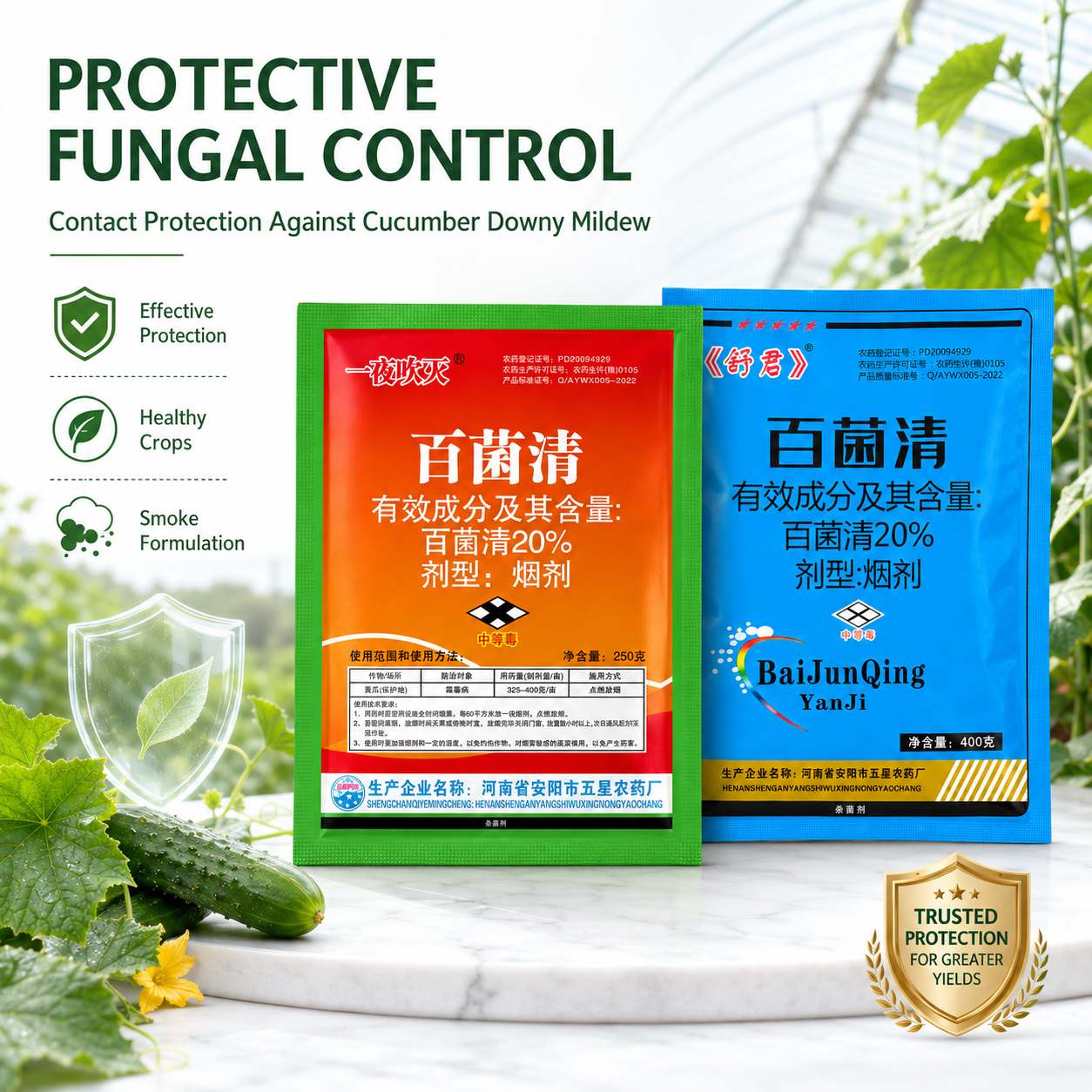
IV. The Role of Chlorothalonil in Disease Resistance Management Systems

Many cultivation sites rely exclusively on systemic fungicides year after year, leading to a rapid rise in pathogen resistance. Consequently, chemical treatments have become increasingly expensive while yielding diminishing returns. With its multi-site mode of action, chlorothalonil serves as a “cornerstone” agent for resistance management.
A recommended rotation strategy involves prioritizing chlorothalonil during the preventive phase, while alternating with systemic fungicides that possess different modes of action. This approach extends the intervals between applications of systemic products, delays the development of pathogen resistance in the field, and reduces total expenditure on crop protection throughout the growing season.
In short, the effective use of chlorothalonil goes beyond mere disease control; it helps stabilize the baseline of disease pressure, extends the functional lifespan of more costly systemic fungicides, and lowers long-term disease management costs.

V. Comprehensive support services from Five-Star Pesticide Factory to ensure seamless implementation after purchase

Agricultural cooperatives and production bases often face several pain points when procuring crop protection products: uncertainty regarding how to prepare mixtures, the optimal frequency of application, which crops a product is suitable for, and concerns about exceeding pesticide residue limits. Leveraging over 30 years of experience in the agrochemical industry, Anyang Wuxing Pesticide Factory offers more than just product delivery. We provide comprehensive support, including insights into local disease trends, tailored application schedules, safety assessments for tank-mixing, guidance on pesticide residue compliance, and customized rotation strategies to manage resistance. Production bases can request samples to verify efficacy and safety on a small scale before committing to bulk purchases, thereby minimizing the costs associated with trial and error.

Chlorothalonil is a classic, broad-spectrum protective fungicide. Its true value lies not in “emergency treatment” after an outbreak, but in establishing a proactive defense system and delaying the development of pathogen resistance. Effective use depends on selecting compliant products from reputable manufacturers, timing applications precisely, and strictly adhering to guidelines for tank-mixing. As a state-designated pesticide manufacturer, Anyang Wuxing Pesticide Factory provides a stable supply of high-quality chlorothalonil-based fungicides. We offer an integrated solution—combining premium products with professional technical services—specifically designed for agricultural cooperatives, fruit and vegetable production bases, and nursery enterprises. If you require assistance with selecting the right chlorothalonil formulation, developing disease prevention and control strategies, or evaluating the safety of tank-mix combinations, please feel free to consult our technical team.